
Carney lists the Mackenzie Valley Highway as a project of national interest, the first in Canada's North, with Ottawa committing to fully fund construction
Politics · Yellowknife · The Canadian Chronicle
Published Saturday, November 28, 2026 · 4 min read
At a glance
- Prime Minister Mark Carney announced in Yellowknife on Friday, November 27, that the Mackenzie Valley Highway is now listed as a project of national interest under the Building Canada Act — the first listed project in Canada's North.
- The proposed 800-kilometre all-season highway would run the length of the Mackenzie Valley, linking Highway 1 at Wrigley to the Dempster Highway, and would give Tulita, Norman Wells and Fort Good Hope year-round road access for the first time.
- The highway would improve transportation access for more than 10,000 people, including approximately 1,900 people in the Sahtu region gaining an all-season road connection for the first time, and cut the drive between Yellowknife and Inuvik from approximately 38 hours to an estimated 23 hours. It would create 3,000 jobs at peak construction.
- Ottawa is committing to fully fund the highway's construction and certain maintenance costs, including $3.1 billion proposed in Budget 2026 and $405 million in federal investment advanced since the project's referral to the Major Projects Office in March 2026. A further $120 million from the Arctic Infrastructure Fund will advance the Arctic Economic and Security Corridor.
The road the Mackenzie Valley has been promised for generations is now, on paper, a project of national interest — with Ottawa committing to pay for it.
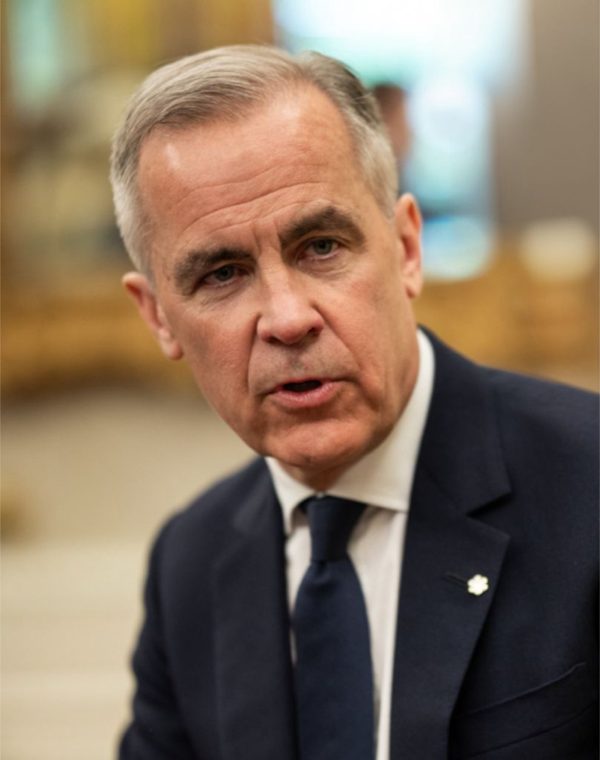
Prime Minister Mark Carney announced in Yellowknife on Friday that the Mackenzie Valley Highway is listed as a project of national interest under the Building Canada Act, the first project in Canada's North to receive the designation. The highway is the third project listed overall, after the Pacific Link pipeline and the Roberts Bank Terminal 2 expansion.
“Today, we are preparing to go further and to grow faster,” Carney said in Yellowknife.
What the highway changes
The proposed highway is an 800-kilometre all-season road running the length of the Mackenzie Valley, linking Highway 1 at Wrigley to the Dempster Highway south of Inuvik. Three communities — Tulita, Norman Wells and Fort Good Hope — would gain year-round road access for the first time, replacing the seasonal barges and winter roads their supplies now depend on.
The government's figures put the reach at more than 10,000 people, including approximately 1,900 people in the Sahtu region who would gain an all-season road connection for the first time. Deliveries of food, fuel, medicine and construction materials become more reliable, and the drive between Yellowknife and Inuvik falls from approximately 38 hours to an estimated 23 hours. The project would create 3,000 jobs at peak construction.
The corridor also carries a defence argument the government made explicitly: a more reliable road improves connections between the NORAD forward operating locations in Yellowknife and Inuvik, and supports the movement of Canadian Armed Forces personnel, equipment and supplies in the North.
The money and the partnership
The federal government is committing to fully fund the highway's construction and certain maintenance costs. Budget 2026 proposes $3.1 billion for the highway, and the Northwest Territories government counts $405 million in federal investment already advanced since the project was referred to the Major Projects Office in March 2026, for construction, engineering and environmental assessment work. The estimated construction price for the northern and southern sections is $4.2 billion.
Carney also announced more than $120 million from the Arctic Infrastructure Fund to advance the Arctic Economic and Security Corridor, an Indigenous-led project of the Tłı̨chǫ Government and the Yellowknives Dene First Nation, in partnership with the territorial government, that would establish an all-season road from Yellowknife to the Nunavut border.
The highway itself is being advanced under a Leadership Governance Understanding signed on November 25 by the Sahtu Secretariat Incorporated, the Gwich'in Tribal Council, the Pehdzéh Kį́ First Nation, the Government of the Northwest Territories and the Government of Canada. Northwest Territories infrastructure minister Caroline Wawzonek called Friday “a significant milestone in the Northwest Territories' economic future.”
The bridges question
Listing is not construction. The project's environmental assessment, which began in 2013, still has to finish — officials expect the review to wrap by the end of 2027 — and the highway requires new bridges, including across the Great Bear, Liard and Mackenzie rivers.
The Łı́ı́dlı̨ı̨ Kų́ę́ First Nation, which relies on ferry service in summer and ice crossings in winter, has called for permanent bridges across the Liard and Mackenzie rivers for years. Government officials said Friday that the current plan does not include funding for those two bridges. Chief Kele Antoine's response, in a news release, was that if the highway is truly a project of national interest, permanent bridges that ensure reliable, year-round access should be part of it.
That is the test the designation now has to meet: whether national interest, as a label, delivers the whole road — bridges included — to the communities it is named for.
The Record
The federal commitment is now on the Chronicle's Checks & Balances ledger, File 4: Ottawa will fully fund construction of the Mackenzie Valley Highway and certain maintenance costs, with $3.1 billion proposed in Budget 2026. The tests are the money flowing, the environmental review wrapping by the end of 2027 as officials expect, and construction following. The entry stays open until the road does.
Sources
- Prime Minister of Canada, news release, November 27, 2026 — Mackenzie Valley Highway listed as a project of national interest
- Government of the Northwest Territories, November 27, 2026 — Minister Wawzonek welcomes major milestones in advancing the Mackenzie Valley Highway
- CTV News, November 27, 2026 — Mackenzie Valley Highway becomes first major project of national interest in Canada's North